
It’s an interesting time to be in software and data; the world of generative AI is changing the landscape beneath our feet. I don’t see this as a bad thing for software folk, but as an opportunity to learn new technologies and BUILD / UNDERSTAND the technologies used in an LLM and AI context.

You can’t expect an LLM trained two years ago to be up-to-date on what the new and best approaches are for X, Y, Z tech.

Sure, they can do a decent job given enough context, Agents, etc, but if you’re working on the cutting edge of AI and LLM infrastructure, you are going to have to be active in the community and reading about what others are doing, who’s releasing new tools, and what those tools do.

Don’t forget, there is the whole architectural and systems design piece. One part of the LLM and AI infrastructure is vector and embedding representations.
Read more

I’ve been a Polars bro for most of the last few years. Why? It’s Rust-based, fast, DataFrame-centric, just the way I like it. It also had the excellent feature, right from the start, of Lazy Execution. A few years ago, maybe two, I actually put Polars into production, running on Airflow, working with S3 and reading Delta Lake tables.

I was in love.

Read more

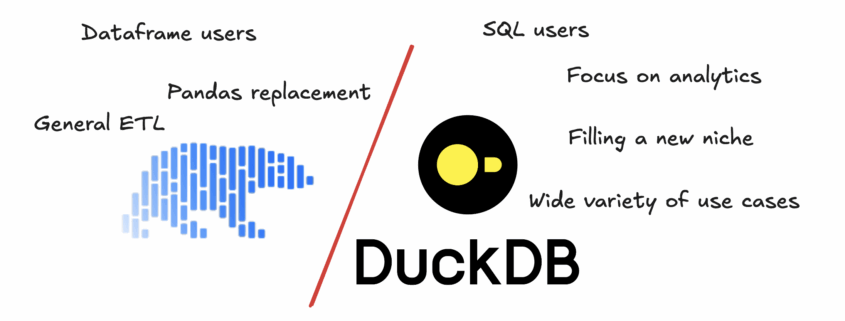
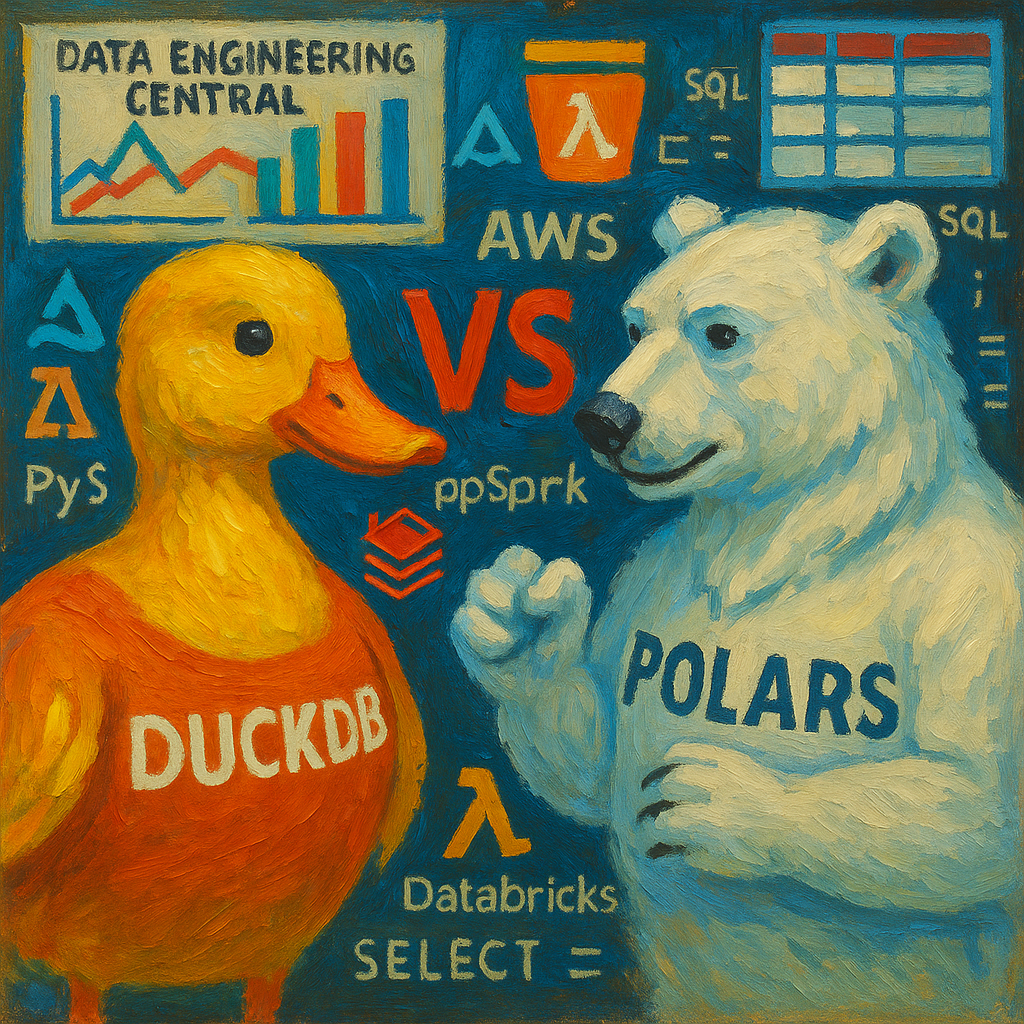
So, the classic newbie question. DuckDB vs Polars, which one should you pick?

This is an interesting question, and actually drives a lot of search traffic to this website on which you find yourself wasting time. I thank you for that.

This is probably the most classic type of question that all developers eventually ask at some point in their sad and depressing lives. Isn’t that the same story that is as old as time? This stick is better than that rock. Rust is better than C. Databricks better than Snowflake. You know, Delta Lake better than Iceberg.

And so the world keeps turning and grinding away.

DuckDB vs Polars? That’s the wrong question.

Read more

Well, all the bottom feeders (Iceberg and DuckDB users) are howling at the moon and dancing around a bonfire at midnight trying to cast their evil spells on the rest of us. Apache Iceberg writes with DuckDB? Better late than never I suppose.

Your witchy ways won’t work on me.

Not going to lie, Iceberg writes with MotherDuck is an interesting concept. MotherDuck is lit and Iceberg only puts a little ice on the fire.

Many other tools like Polars or Daft have been offering Iceberg writes for ages now, it’s about time DuckDB preened its feathers and added write support. Up until now the DuckDB Iceberg Extension has all about the read. But, that is pretty much good for HelloWorld() crap pumped and dumped on Redditors.

We need write support in the real production world. Oh, and not on some Iceberg table stored on your laptop you ninny.

Read more

When it comes to building modern Lake House architecture, we often get stuck in the past, doing the same old things time after time. We are human; we are lemmings; it’s just the trap we fall into. Usually, that pit we fall into is called Spark. Now, don’t get me wrong; I love Spark. We couldn’t have what we have today in terms of Data Platforms if it wasn’t for Apache Spark.

Read more

Recently, I was working on a little learning around DuckDB and AWS Lambda, which included some work with S3. It had been some time since I had tried working with files in S3, and it was kinda clunky the last time I tried it, whether it was DuckDB’s fault or mine, I was unsure.

It seems that when you go to Google and read about CSV files in S3 and DuckDB, in the past, folks had to do some gyrations with either boto3 or httpfs to get the job done. This is very annoying and clunky.

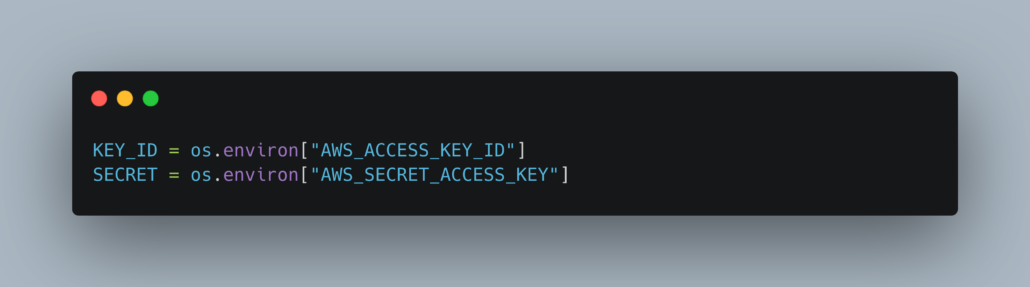
So I had the chance to revisit S3 and DuckDB with good ole’ CSV files and it was a much nicer experience. First, of course, you must have AWS credentials on the system somewhere, either in .aws or the ENV.

Something like this will do.

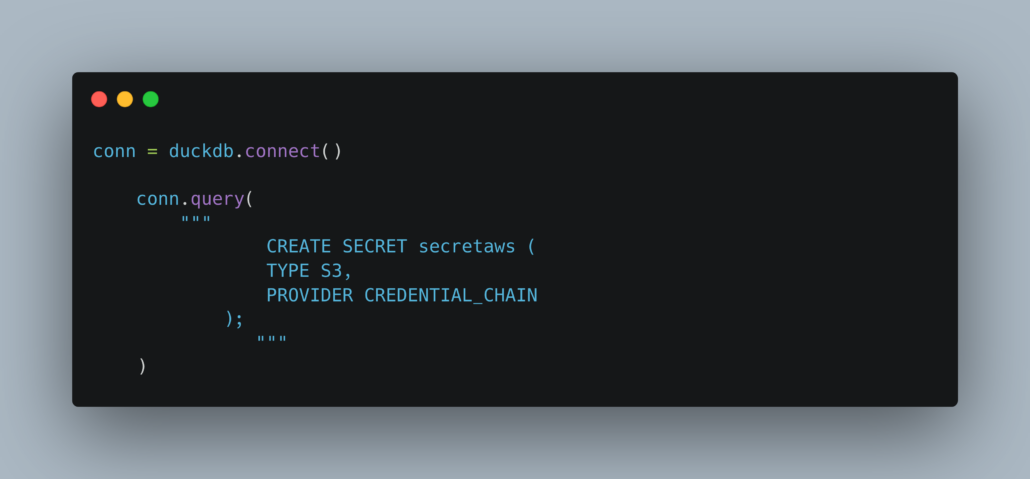
Next, you should instruct DuckDB to setup the AWS secrets, going through the normal rotation looking for credentials in the defaults spots as mentioned above.

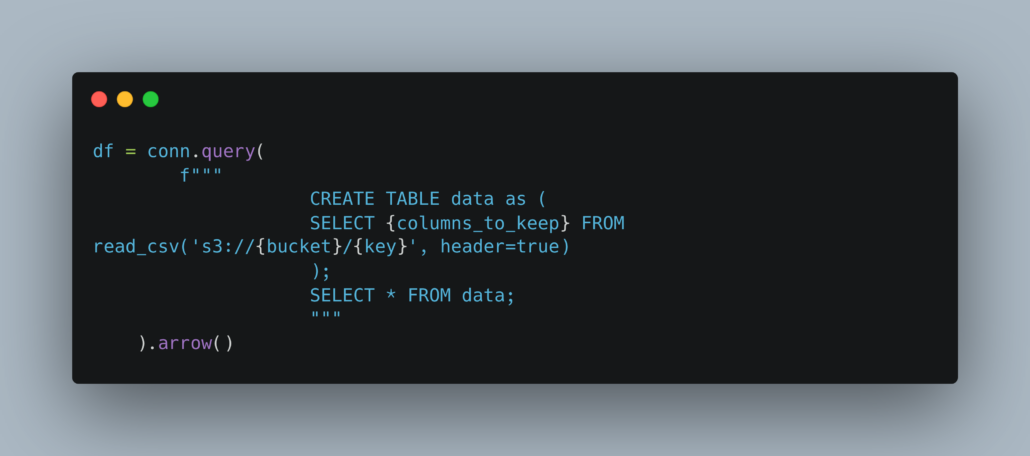
Once this is done, querying a CSV file in S3 is as simple as it should be.

It’s nice to see DuckDB has first class support for querying files in S3, since cloud storage has become such a regular part of our lives. Any tool worth it’s weight in salt needs to have this sort of blind, easy to use file access that looks no different from operations on local files.

No more boto3 to load files into memory, etc, etc, that stuff needs to be abstracted away.